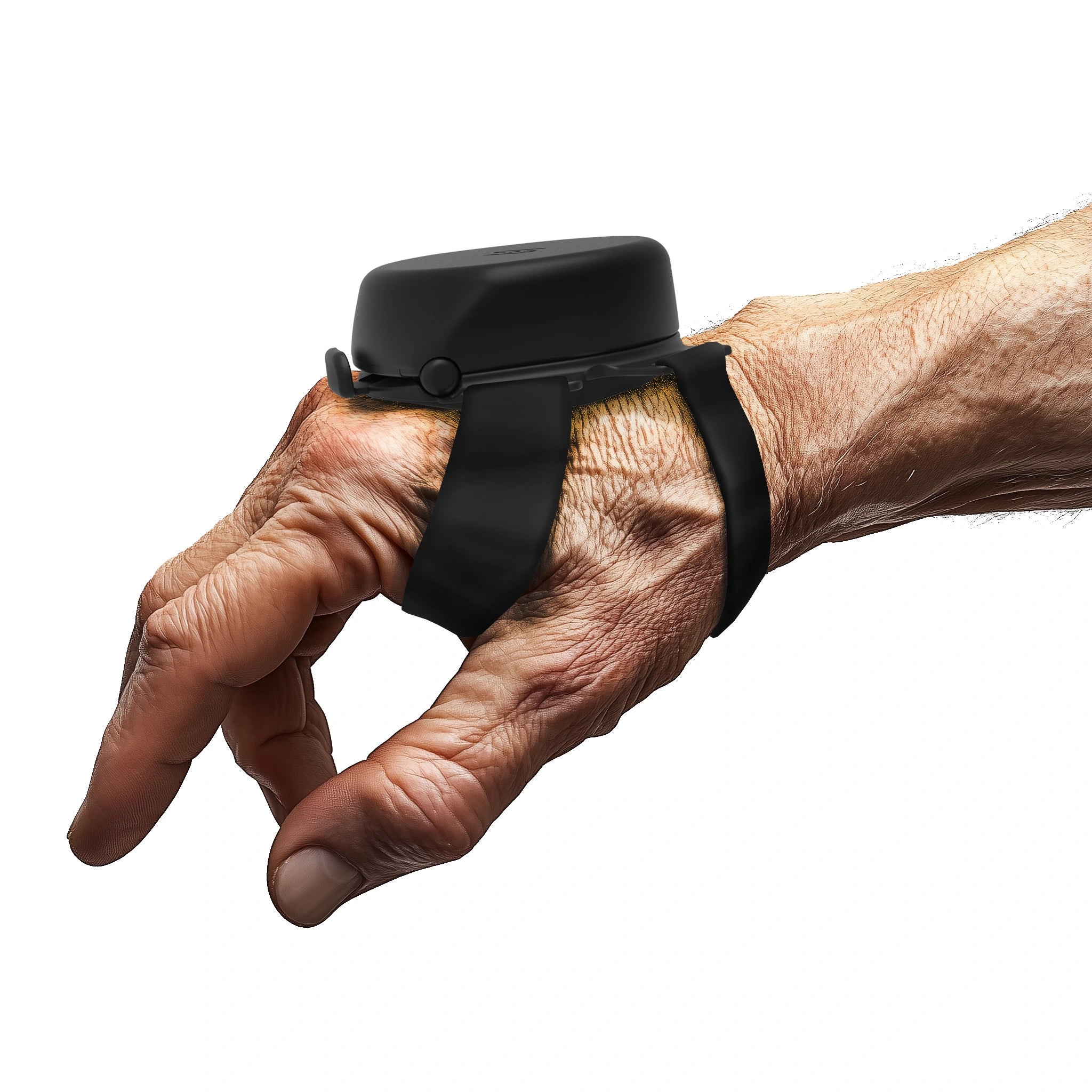
Every patient and family asks the same question after a diagnosis: how does Parkinson's Disease progress? The honest answer is that it varies — but the overall arc is well understood. This guide walks through the five stages, the changes that occur year by year, and the practical decisions at each stage that help preserve independence and quality of life for as long as possible.
Understanding Parkinson's Progression — The Core Reality
If you've just been diagnosed with Parkinson's Disease, or you're caring for someone who has, the real question is the same: what will happen? Parkinson's progresses differently for every person — dopamine-producing cells in the substantia nigra gradually die, but the rate varies enormously. According to the Parkinson's Foundation, the average time from diagnosis to significant disability is 15 to 20 years. Progression describes symptom change; Parkinson's Disease prognosis describes long-term outcomes.
The Hoehn and Yahr Scale — 5 Stages Explained
The Hoehn and Yahr scale, published in 1967, remains the standard framework for describing the stages of Parkinson's Disease and is often paired with the MDS-UPDRS.
-
Stage 1: mild, one-sided symptoms, full independence.
-
Stage 2: both sides affected, balance preserved.
-
Stage 3 of Parkinson's Disease: balance reflexes lost, falls likely, still independent.
-
Stage 4: significant disability, assistance needed.
-
Stage 5: wheelchair-bound or bedridden, full-time care required, dementia affects 50–80% of patients.
Understanding the Hoehn and Yahr Scale in Practice
The Hoehn and Yahr scale is a clinical tool, not a rigid prediction. Two patients at the same Hoehn and Yahr stage can experience very different symptoms and quality of life — the scale measures motor progression only, not cognitive or non-motor changes. Movement disorder neurologists use it alongside the MDS-UPDRS and functional assessments to build a complete picture. Knowing your stage helps frame conversations with your care team, but it doesn't determine your individual trajectory.
What Changes in the First 5 Years After Diagnosis
The first five years are the most functionally stable period — and the most important decision-making window. Most patients experience strong symptom control with levodopa, often called the "honeymoon period." Motor fluctuations typically don't emerge until 5 to 10 years post-diagnosis. Four priorities matter most: establishing care with a movement disorder specialist, building an aerobic exercise habit, evaluating DBS candidacy before non-motor symptoms narrow the window, and proactively starting adaptive tools.
Middle-Stage Parkinson's — Years 5–10
The middle years redefine what "management" means. Medication still works, but differently — motor fluctuations ("on/off" phenomenon) become pronounced, and dyskinesia emerges as a separate challenge from tremor. Freezing of gait substantially increases fall risk, making home modifications and physical therapy essential. Hand tremor becomes a defining day-to-day challenge during "off" periods, making adaptive equipment — utensil grips, weighted tools, and wearable tremor stabilizers — critical for preserving independence between medication adjustments.
Advanced Parkinson's — Planning Ahead
Advanced Parkinson's is where caregivers most need honest guidance. The late stages of Parkinson's Disease symptoms include cognitive involvement and Parkinson's Disease dementia in roughly half of patients after 10+ years, plus medication-related hallucinations and communication changes warranting speech therapy. Caregiver well-being matters as much as the patient's; burnout is a documented risk, and respite care is legitimate. Palliative planning ensures comfort and dignity. Small independences, even at Stage 5, still carry real meaning.
Understanding the End Stages of Parkinson's Disease Symptoms

The end stages of Parkinson's Disease symptoms involve profound motor impairment, swallowing difficulties, and cognitive decline — including Parkinson's Disease dementia in roughly half of patients. The late stages of Parkinson's Disease symptoms also commonly include hallucinations, severe balance loss, and communication challenges. Understanding Parkinson's Disease prognosis at this point means focusing on comfort, dignity, and quality of life rather than aggressive intervention. Palliative care and hospice support become essential parts of the care team.
What Influences the Rate of Progression?
Not everything about Parkinson's progression is outside your control.
Factors you can't control:
Age at diagnosis, disease subtype (PIGD progresses faster than tremor-dominant), and genetic factors like LRRK2 mutations.
Factors you can influence:
Aerobic exercise has Level A evidence for slowing motor progression — the strongest among lifestyle interventions. Medication adherence is decisive; inconsistent levodopa timing worsens fluctuations. Sleep quality, social engagement, and vascular health all modulate non-motor progression.
What to Expect at Stage 3 of Parkinson's Disease
Stage 3 of Parkinson's Disease is often described as the most pivotal turning point. Balance reflexes weaken, falls become a real risk, and daily tasks like eating, dressing, and writing take visibly longer. Yet patients remain physically independent, which creates the emotional gap between what you want to do and what the disease allows. This is when occupational therapy, home modifications, and adaptive tools like the Steadi-3 glove become clinically valuable rather than optional.
How to Maintain Independence at Every Stage
Across every stage of Parkinson's Disease, adaptive tools close the gap between what tremors allow and what the patient wants to do.
-
Stages 1–2: weighted utensils, grip aids, and pen adapters extend independent eating and writing.
-
Stage 3: wearable tremor stabilizers become particularly relevant.
-
Stages 4–5: adaptive tools preserve dignity in small daily tasks.
Our Steadi-3 is a battery-free (290g) magnetic dampening glove, clinically validated and FDA Class I registered, suitable at any stage.
How Steadi-3 Supports Patients Through Every Stage of Parkinson's Disease

Across all stages of Parkinson's Disease — from mild Stage 1 tremors to the late stages of Parkinson's Disease symptoms — hand tremor affects the tasks that matter most: eating, drinking, writing, and signing a document. Our Steadi-3 tremor glove offers immediate hand stabilization without medication, prescription, or batteries. Validated in clinical trials with 85% efficacy, it's designed to complement your Parkinson's treatment plan and preserve independence at every stage of disease progression.
Conclusion
How does Parkinson's Disease progress? Differently for every person. The Hoehn and Yahr stages give clinicians and families a shared vocabulary, but the timeline is never fixed — and it's rarely linear. What the research consistently shows is that early-stage proactive management (regular exercise, consistent medication timing, adaptive tools, specialist care) yields better quality-of-life outcomes at every later stage. For patients and families, understanding progression isn't about preparing for the worst. It's about making informed, confident decisions at each stage to preserve independence and dignity for as long as possible.