
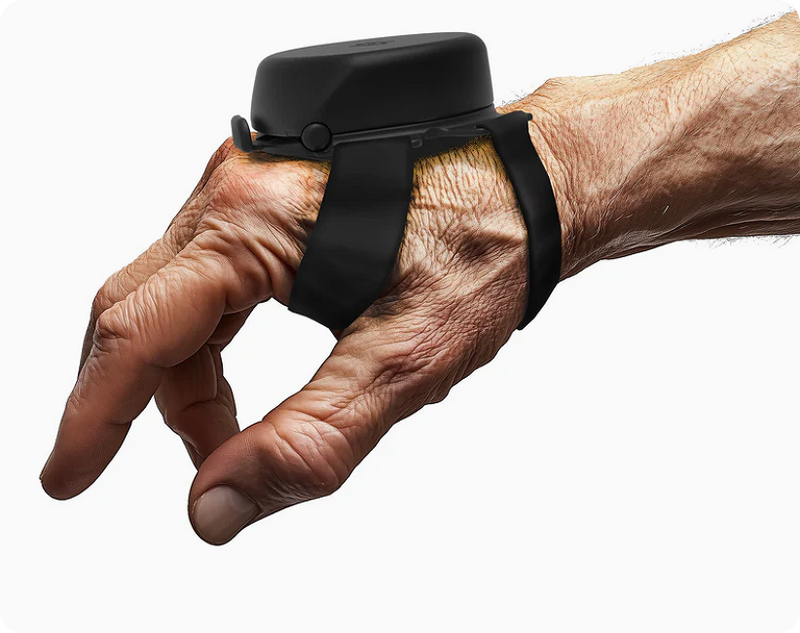

Tremor Is the Most Recognizable Early Sign
When people ask about the early symptoms of Parkinson's Disease, tremor is usually the first answer. A resting tremor typically begins in one finger, hand, or chin and produces a characteristic pill-rolling motion between thumb and forefinger. It appears when the limb is relaxed and often eases during purposeful movement. According to the Parkinson's Foundation, about 80 percent of people with Parkinson's develop tremor, though roughly 20 percent never do. Resting tremor differs from Essential Tremor, which activates during action rather than rest.
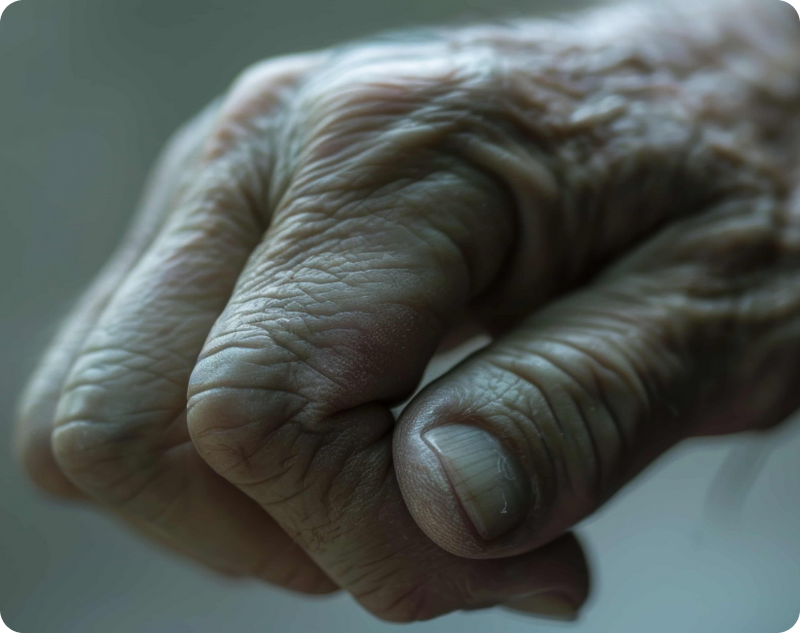
Non-Motor Warning Signs That Appear First
Some of the earliest signs of Parkinson's Disease are not related to movement at all. Loss of smell affects roughly 90 percent of people with early Parkinson's, often years before tremor appears. REM sleep behavior disorder causes people to physically act out their dreams during sleep. Chronic constipation linked to autonomic nervous system changes is another common prodromal sign. New onset anxiety or depression without an obvious trigger can also precede motor symptoms by a decade. These signs matter most when they cluster together.
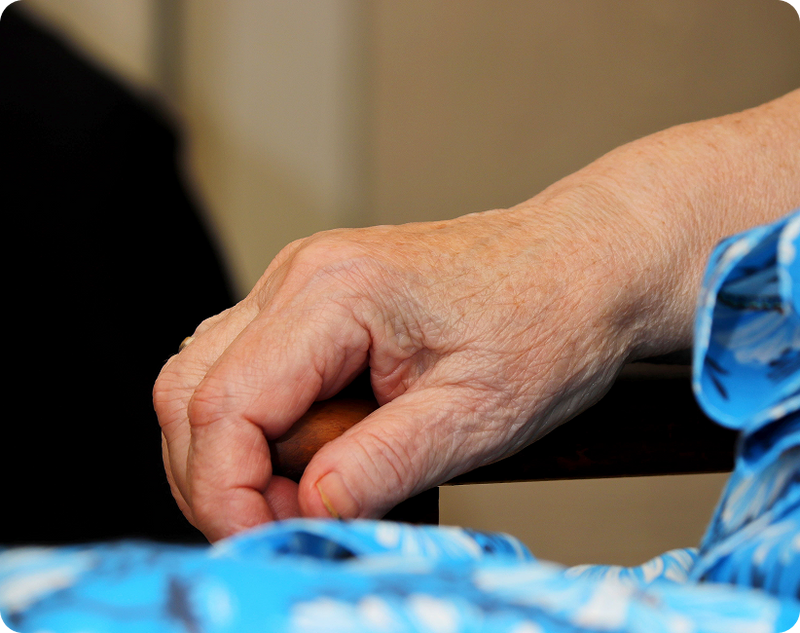
Changes in Movement, Posture, and Handwriting
Beyond tremor, early symptoms of Parkinson's Disease include a range of motor changes that often go unnoticed at first. Bradykinesia, or slowness of movement, is a core diagnostic criterion. Reduced arm swing while walking is frequently spotted by family before the patient notices. Shuffling steps and a stooped posture develop gradually. Micrographia causes handwriting to shrink within a single line. Muscle rigidity that does not ease with movement may affect the shoulder, hip, or limbs. These changes typically start on one side of the body.
Two of the early warning signs of Parkinson's Disease that are commonly overlooked are changes in voice and changes in facial expression. Hypophonia, or softening of the voice, causes speech to become quieter, monotone, or less distinct. Facial masking reduces visible expression and blink rate, giving the face a serious or blank appearance even at rest. Both signs are frequently attributed to fatigue or mood. When they occur alongside other motor changes, they warrant evaluation.
How Early Parkinson's Symptoms Differ From Normal Aging
Normal aging can produce mild slowing, occasional stiffness from arthritis, and light forgetfulness. Early Parkinson's presents differently. Tremor at rest rather than during activity is a key distinction. Symptoms typically begin on one side and progress, while age-related changes are usually symmetric. Handwriting stays consistent with aging, but shrinks mid-paragraph in early Parkinson's. Occasional restless nights differ from violent dream acting out. Seasonal mood shifts are not the same as persistent new anxiety without any trigger. Any concerning pattern warrants evaluation.
When Early Symptoms Warrant a Neurologist Visit
Two or more early signs together, any asymmetric motor symptom, or family observing changes all warrant a neurology appointment. Start with your primary care physician and request a referral to a movement disorder specialist. Diagnosis is primarily clinical, based on history and examination. Clinicians look for bradykinesia plus tremor or rigidity. A DaTscan can confirm reduced dopamine activity when the picture is unclear. Emerging tools such as the alpha-synuclein seed amplification assay show additional promise. Early diagnosis opens access to clinical trials.
Daily Living After Recognizing Early Symptoms
Competitors stop at "see a neurologist," but practical management begins immediately. Exercise programs designed for Parkinson's, such as Rock Steady Boxing and LSVT BIG, have been shown to slow progression. Occupational therapy adapts your home and routines while your function is still strong. Medication options, including levodopa and dopamine agonists, are typical starting points. For tremor specifically, the Steadi-3 is a battery-free, FDA-registered glove that reduces hand tremor for eating, writing, and drinking. It is FSA/HSA eligible. Early action preserves independence longer.
The Caregiver's Role in Spotting Early Signs
Family members often notice what the patient has not: reduced arm swing, a softer voice, or a less expressive face. Keep a simple log noting what you observe, when it happens, and which side is affected. Frame the conversation gently as "let's see a doctor together" rather than raising an alarm. Bring a timeline, video of the tremor, and a medication list to the neurology visit. Men more often present motor symptoms first, while women tend to notice nonmotor changes. Visit our caregiver support page for resources.
Frequently Asked Questions
Early-onset Parkinson's Disease refers to a diagnosis before age 50 and accounts for roughly 5 to 10 percent of all cases, according to the National Institutes of Health (nih.gov). These cases are more frequently associated with genetic factors. The signs of early onset Parkinson disease are largely the same as typical-onset: resting tremor, bradykinesia, rigidity, and non-motor changes. Earlier diagnosis, in any form, allows earlier access to management strategies. A neurologist can evaluate and guide next steps.
Yes. According to the Parkinson's Foundation (parkinson.org), roughly 20 percent of people with Parkinson's Disease never develop a classic resting tremor. In these cases, bradykinesia (slowness of movement) and rigidity are the primary diagnostic anchors. Non-motor signs such as loss of smell, sleep disturbances, and constipation may be among the earliest signs of Parkinson disease early symptoms to appear, even before motor changes. A cluster of these signs, even without tremor, warrants evaluation by a movement disorder specialist.